If you’re extending your home in West Yorkshire, an air source heat pump could be a good heating option. The right choice depends on the new room’s heating needs, your existing system and whether you want to heat the extension alone or the whole house.
An extension gives you a useful opportunity to plan heating before you lay floors and finish walls. It is also a good time to check whether your current radiators, pipework, and hot water arrangements will suit your plans.
At 1st Call Renewables, we provide renewable heating services across Bradford and West Yorkshire. Call 01274 442794 to discuss your extension drawings and the heating options for your home
Could an Air Source Heat Pump Be the Right Choice for Your Extension?
A heat pump for a home extension can be a good option, but it needs to suit your property and how you plan to use the space. Before recommending a system, your installer should check:
- Room size and use: A kitchen with large windows may have different heating needs from a small bedroom.
- Insulation, windows, and doors: These affect how well the extension retains heat.
- Heat loss: Assess every room the system will heat, including existing rooms if you are upgrading the whole home.
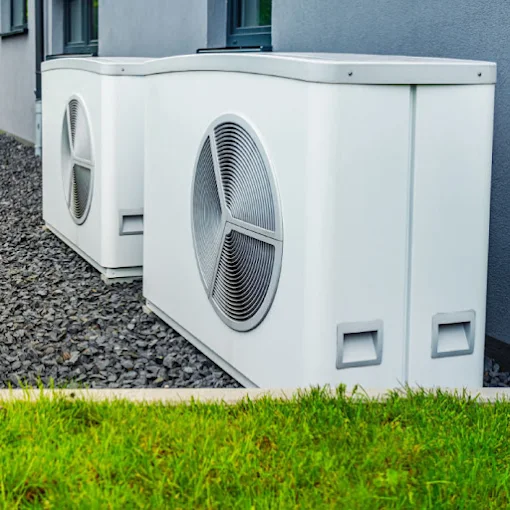
- Available space: The outdoor unit needs a suitable position, and you need indoor space for any required equipment.
- Existing heating: Check radiators and pipework to see whether changes are necessary.
Floor area alone does not determine the right heat pump size. A professional heat-loss assessment helps your installer recommend a suitable system. An air-to-water heat pump supplies heat through radiators or underfloor heating, depending on your home’s setup.
Should the Heat Pump Serve the Extension or the Whole House?
Before choosing a heat pump, decide whether it will heat only the extension or your whole home. This affects system design, installation, and overall cost.
Heating the Extension as a Separate Space
Consider keeping the extension separate if your existing heating system still meets the rest of your home’s needs. However, a dedicated heat pump is not automatically the best choice for a small space.
Your installer should explain the installation costs, how the two systems would operate together, and whether you’ll need separate heating zones and controls.
Heating the Whole Property
If you are considering replacing your boiler, the assessment needs to cover the original house and the extension. Existing radiators, pipework, insulation and hot water demand may affect the design. Some parts of the heating system may be suitable to keep, while others may need changing. If the project includes changes to existing radiators or pipework, explore our central heating services.
Keeping Your Existing Boiler
Keeping a boiler alongside a heat pump requires a clear design. Your installer needs to explain which system serves each part of the property and how the heating and hot water controls will work.
Don’t assume connecting the two systems will be straightforward. If you keep your boiler, continue its servicing arrangements. Our guide explains why annual boiler servicing matters.
Underfloor Heating or Radiators: Which Works With a Heat Pump?
Both can work with a heat pump. The right choice depends on your home and how much heat each room needs.
Underfloor Heating in the New Extension
Plan underfloor heating before the floor is laid. Your installer needs to consider insulation, pipe positions and flooring. Its large heating area lets it warm the room at lower water temperatures.
Existing or Replacement Radiators
You may be able to keep your existing radiators. Your installer should check whether they can provide enough warmth at the planned water temperature. Some rooms may need larger radiators.
Combining Both Systems
You can have underfloor heating in the extension and radiators elsewhere. Design and control them together so each room gets the heat it needs.
What Space and Building Work Will You Need?
Agree on equipment positions and connection routes while the extension is still being planned. This helps your builder, heating installer and electrician coordinate their work. The main things to check are:
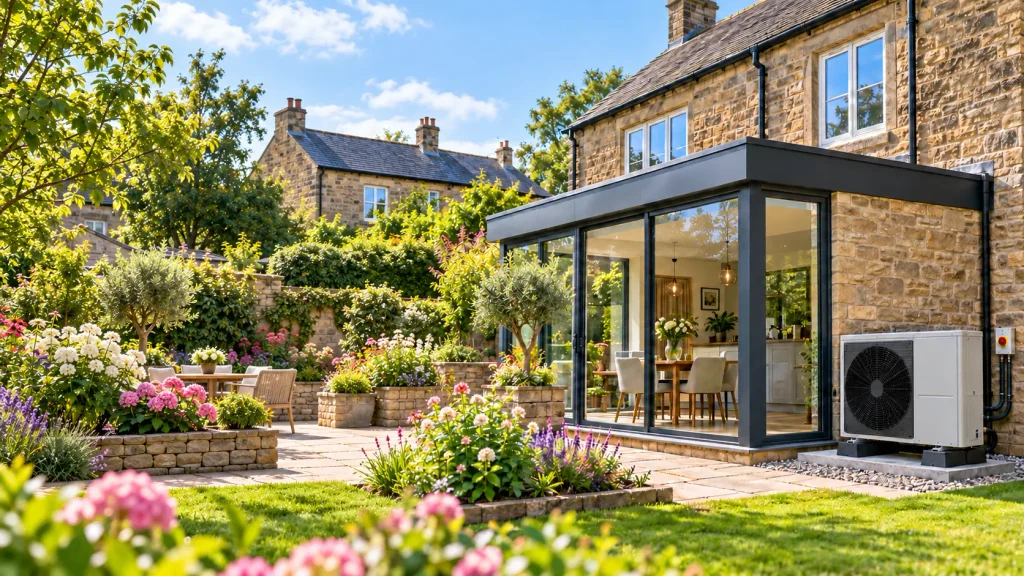
- Outdoor position: The unit needs suitable airflow, a secure base and clearance around it.
- Noise: Its position should be assessed in relation to your home and neighbouring properties.
- Pipe routes: Plan how pipes will run between the outdoor unit and the indoor system.
- Indoor equipment: Allow space for a hot water cylinder where the proposed setup requires one.
- Electrical supply: Arrange an assessment of the supply and any alterations needed.
- Maintenance access: Keep the equipment accessible after landscaping and building work is complete.
If electrical alterations are needed, include them in the project schedule. You can also explore our electrical services when planning the extension.
What Affects Heat Pump Installation Costs for an Extension?
Air source heat pump installation costs depend on the work your property needs. Heating a new extension may involve a different design from upgrading the whole home. The main cost factors include:
| Cost factor | What can affect the price |
| Heating scope | Whether the system serves the extension or the whole house |
| Heat requirements | The capacity and design needed to keep rooms warm |
| Radiators or underfloor heating | New equipment or changes to the existing setup |
| Hot water | Whether a cylinder and related work are required |
| Pipework and electrics | Installation routes, access and necessary alterations |
| Site preparation | The outdoor base and associated building work |
| Controls and commissioning | Setting up, testing and explaining the system |
Ask for a quotation that clearly lists what is included and any exclusions. Installation costs are separate from running costs. Your ongoing electricity bills will depend on your tariff, heating needs, system performance and how you use the controls. A heat pump does not automatically guarantee lower bills.
Planning Permission and Building Regulations for Heat Pumps
Some heat pump installations in England do not need a planning application, provided they meet conditions such as positioning and noise limits. Listed buildings and conservation areas may need extra checks.
Check the requirements for both your extension and heat pump. Building regulations apply separately, even when you don’t need planning permission. Read the Planning Portal guidance and contact your local council. For Bradford properties, speak to Bradford Council.
When Should You Involve a Heat Pump Installer?
Speak to an installer while your extension is being designed. Planning early helps avoid changes after you finish floors and walls. Your installer should:
- Review your drawings and existing heating.
- Assess each room’s heating needs.
- Agree on equipment positions and pipe routes.
- Coordinate with your builder and electrician.
- Test the system and explain the controls.
The installation schedule will depend on the work needed and your extension’s progress.
Choosing a Heat Pump Installer in West Yorkshire
When comparing heat pump installers in West Yorkshire, ask how they will assess your home and what their quotation covers. Useful questions include:
- Will you assess the existing house and the extension?
- Will you provide room-by-room heat-loss calculations?
- Are radiator and pipework changes included?
- What qualifications and certifications do you hold for this work?
- What is included in the price, and what costs extra?
- Who will test the system, explain the controls and provide aftercare?
Discuss Your Extension Heating Plans With 1st Call Renewables.
Planning a home extension in Bradford or surrounding areas across West Yorkshire? Our engineers can walk you through air source heat pump options and help you choose what suits your home.
Based at 75 Godwin Street, Bradford, BD1 2SH, we serve homeowners, landlords, and businesses across West Yorkshire. Share your extension drawings and current heating details. Call 01274 442794, book an appointment online or contact our team to request a free, no-obligation quotation.
Frequently Asked Questions
Yes, it may be possible. However, a separate heat pump may not be the best option for a small extension. Your installer should check the space and heating needs, then compare the costs and practical benefits with other ways of heating the new rooms.
You may be able to keep your boiler, but the setup needs careful design. Your installer must work out how both systems will provide heating and hot water, and how the controls will work. Do not assume a heat pump can connect to your boiler.
No, you may be able to keep some or all of them. Your installer should check whether each radiator can warm its room at the heat pump’s planned water temperature. Some rooms may need larger radiators, while others may work well with the ones already fitted.
Yes, an older property doesn’t rule out a heat pump. What matters is how much heat the home loses and whether the heating system can keep it warm. An installer should check the insulation, windows, radiators and pipework before recommending a suitable setup.
Share your extension drawings, property address and details of your current heating. Include planned insulation improvements and say whether you want to heat the extension or the whole house. Photos of your boiler, radiators, indoor storage space and possible outdoor unit position can also help.
For more home maintenance guidance, browse our heating and plumbing advice.